
Baker Company, 100th Infantry Battalion
Bernard Seiso Akamine, who served in Company B of the 100th Infantry Battalion, was born in Waipahu, Oahu, in 1922. The eldest of six children of Shojiro and Kame Akamine, immigrants from Okinawa, he grew up curious and mechanically inclined — traits that often led him to take apart his parents’ treasured household items just to see how they worked. By middle school, he had learned to use hand tools and build practical objects, a skill set that hinted at the craftsmanship that would shape his future.
![Bernard S. Akamine (Co. B, 100th Inf. Bn.) [Courtesy of Bernard Akamine]](https://www.100thbattalion.org/wp-content/gallery/bernard-akamine/Akamine-Bernard.png "Bernard S. Akamine (Co. B, 100th Inf. Bn.) [Courtesy of Bernard Akamine]")
Akamine left school after the ninth grade to help support his family, taking a job as a live-in house boy at a small hotel in Honolulu. Most of the guests were Caucasian visitors from the mainland, and he quickly discovered that he needed to learn proper English to communicate with them effectively. The experience broadened his worldview and gave him confidence in talking with strangers — an ability that later proved invaluable both in the Army and in his civilian career.
As he entered adulthood, Akamine became an apprentice for a Defense Contractor, working on radio and electrical installations on Oahu and Maui. On the morning of December 7, 1941, he was working overtime at the Wahiawa Radio Facility, eager to finish the installation project. When the workers saw flames and smoke rising from the Pearl Harbor area, they assumed at first that the military was conducting bombing maneuvers. But when a coworker switched on his car radio, they learned the devastating truth: the U.S. Pacific Fleet had been attacked.
All personnel at the radio station, including military dependents, were ordered to shelter in place. When the all-clear sounded, Akamine returned home only long enough to gather clothing and supplies, preparing to stay at the station until the job was done. He continued working for his employer on Maui until late 1944, and once he was no longer considered an essential worker, he enlisted in the U.S. Army that September.
After completing training at Camp Hood, Texas, Akamine deployed to Europe, where he was assigned to Company B of the 100th Infantry Battalion. He served during the final months of World War II and through the post-war occupation of Italy. He helped secure American resources and assisted with cleanup operations in communities devastated by years of conflict. He was deeply moved by the plight of returning refugees and offered help wherever he could — a quiet reflection of his lifelong compassion.
Decades later, following the 50th Anniversary of the Pearl Harbor attack in 1991, Akamine and several fellow 100th Infantry Battalion veterans volunteered as docents at the National Memorial Cemetery of the Pacific (Punchbowl). On weekends, when the administration office was closed, they guided visitors, helped locate gravesites, and shared the history of the memorial. Akamine coordinated the program, recruiting and training volunteers and organizing the schedule. The docent service continued for more than ten years, ending only when digital technology replaced the need for on-site assistance.
Throughout his life, Akamine regularly visited his parents on their farm in rural Oahu, helping with heavy chores and repairs. His steady devotion embodied oya kōkō — the Japanese value of filial piety and respect for one’s parents.
In the May 2011 issue of the 100th Infantry Battalion Veterans’ “Puka Puka Parade” newsletter, Akamine wrote an article about buying a camera while stationed in Italy after the war had ended. “Having so much money, fellow Bakerite Tamotsu “Curly” Akiyoshi and I went looking for the most prized camera at the time – Leica with F2 lens. Curly had photo lab experience before entering the Army so he was very knowledgeable in the field. We went to most of the camera stores, but couldn’t find any Leica.”
Akiyoshi ended up with a Rollicord and Akamine with a Kodak Retina I. Akiyoshi also found chemicals and photo printing papers to develop prints. The men did their printing at night; their dark room was in a half-bombed out building that Company B was occupying. Since the Company was going to be moving out of the building, they developed all the film into negatives and planned to print them once they got back to Hawaii. However, Akamine wrote that he became more interested in movies instead and lost track of the dozens of canisters containing the 35mm negatives from Italy. The photos in his collection on this page are copies of the ones Akamine managed to recover and print over 65 years ago.
Bernard Seiso Akamine passed away in April 2012. He donated his body to the University of Hawai‘i’s John A. Burns School of Medicine, a final act of service consistent with the values he lived by. Although he had a place reserved in his parents’ burial plot, he had grown deeply attached to Punchbowl during his years as a docent. Before his passing, he asked that his remains be interred there. His bronze marker bears not only his name, rank, and service, but also the words that defined his life: “Continuing Service.”
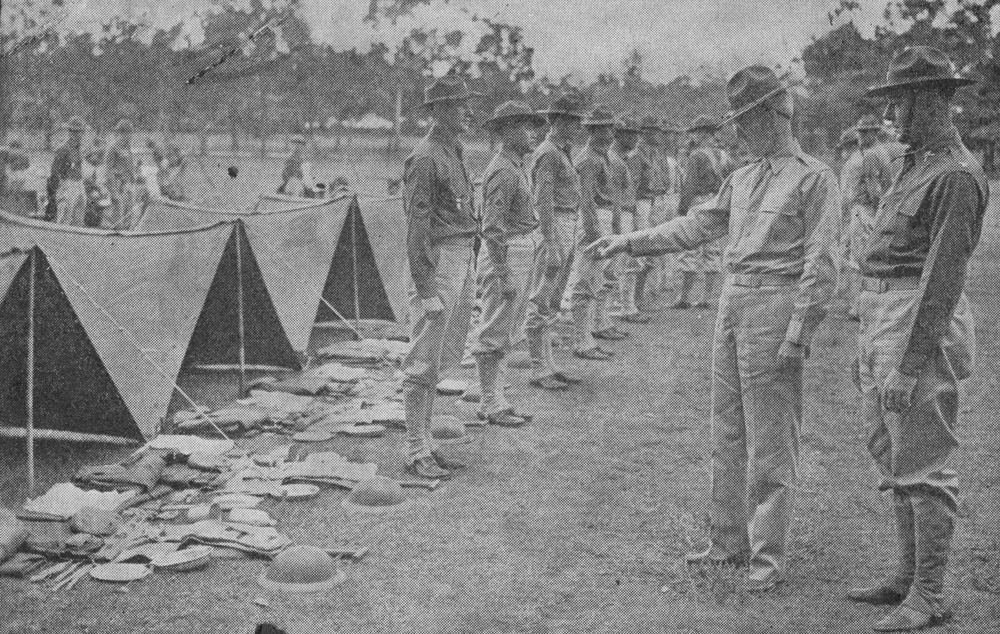
![Paul Nishimuta walks though camp in Tombolo, Italy, 1946. [Courtesy of Bernard Akamine]](https://www.100thbattalion.org/wp-content/gallery/bernard-akamine/1.jpg "Paul Nishimuta walks though camp in Tombolo, Italy, 1946. [Courtesy of Bernard Akamine]")
![Two soldiers sit with the 442nd Regimental Combat Team “Go For Broke” insignia, made with painted rocks. Tombolo, Italy, 1946 [Courtesy of Bernard Akamine]](https://www.100thbattalion.org/wp-content/gallery/bernard-akamine/109.jpg "Two soldiers sit with the 442nd Regimental Combat Team “Go For Broke” insignia, made with painted rocks. Tombolo, Italy, 1946 [Courtesy of Bernard Akamine]")
![Tamotsu Curly Akiyoshi [Courtesy of Bernard Akamine]](https://www.100thbattalion.org/wp-content/gallery/bernard-akamine/114c.jpg "Tamotsu Curly Akiyoshi [Courtesy of Bernard Akamine]")
![Kazuo Uyehara on ship [Courtesy of Bernard Akamine]](https://www.100thbattalion.org/wp-content/gallery/bernard-akamine/117c.jpg "Kazuo Uyehara on ship [Courtesy of Bernard Akamine]")
![Switzerland [Courtesy of Bernard Akamine]](https://www.100thbattalion.org/wp-content/gallery/bernard-akamine/119c.jpg "Switzerland [Courtesy of Bernard Akamine]")
![Marco Miyamoto, Beach at Marina de Pisa, aka Italian Riviera [Courtesy of Bernard Akamine]](https://www.100thbattalion.org/wp-content/gallery/bernard-akamine/11c.jpg "Marco Miyamoto, Beach at Marina de Pisa, aka Italian Riviera [Courtesy of Bernard Akamine]")
![Go For Broke eblem painted on Jeep mudflaps. [Courtesy of Bernard Akamine]](https://www.100thbattalion.org/wp-content/gallery/bernard-akamine/4.jpg "Go For Broke eblem painted on Jeep mudflaps. [Courtesy of Bernard Akamine]")
![Stan Kano [Courtesy of Bernard Akamine]](https://www.100thbattalion.org/wp-content/gallery/bernard-akamine/106c.jpg "Stan Kano [Courtesy of Bernard Akamine]")
![Toshio Funai stands under the Company B banner [Courtesy of Bernard Akamine]](https://www.100thbattalion.org/wp-content/gallery/bernard-akamine/49.jpg "Toshio Funai stands under the Company B banner [Courtesy of Bernard Akamine]")
![Mitsugu Eto [Courtesy of Bernard Akamine]](https://www.100thbattalion.org/wp-content/gallery/bernard-akamine/124c.jpg "Mitsugu Eto [Courtesy of Bernard Akamine]")
![Scene on ship going home, 1946 [Courtesy of Bernard Akamine]](https://www.100thbattalion.org/wp-content/gallery/bernard-akamine/125.jpg "Scene on ship going home, 1946 [Courtesy of Bernard Akamine]")
![Kazuo Uyehara at waterfront in Leghorn, about to board ship [Courtesy of Bernard Akamine]](https://www.100thbattalion.org/wp-content/gallery/bernard-akamine/111c.jpg "Kazuo Uyehara at waterfront in Leghorn, about to board ship [Courtesy of Bernard Akamine]")
![Conrad Kurahara [Courtesy of Bernard Akamine]](https://www.100thbattalion.org/wp-content/gallery/bernard-akamine/122c.jpg "Conrad Kurahara [Courtesy of Bernard Akamine]")
![Bernard Akamine , Masanobu Oyadomari, taken in Ghedi, Italy [Courtesy of Bernard Akamine]](https://www.100thbattalion.org/wp-content/gallery/bernard-akamine/118c.jpg "Bernard Akamine , Masanobu Oyadomari, taken in Ghedi, Italy [Courtesy of Bernard Akamine]")
![Conrad Kurahara [Courtesy of Bernard Akamine]](https://www.100thbattalion.org/wp-content/gallery/bernard-akamine/123c.jpg "Conrad Kurahara [Courtesy of Bernard Akamine]")
![Left: Kazuo Sato, Right: Tamotsu Akiyoshi [Courtesy of Bernard Akamine]](https://www.100thbattalion.org/wp-content/gallery/bernard-akamine/113c.jpg "Left: Kazuo Sato, Right: Tamotsu Akiyoshi [Courtesy of Bernard Akamine]")
![Takami Misaki [Courtesy of Bernard Akamine]](https://www.100thbattalion.org/wp-content/gallery/bernard-akamine/126c.jpg "Takami Misaki [Courtesy of Bernard Akamine]")
![Tamotsu Curly Akiyoshi [Courtesy of Bernard Akamine]](https://www.100thbattalion.org/wp-content/gallery/bernard-akamine/121c.jpg "Tamotsu Curly Akiyoshi [Courtesy of Bernard Akamine]")
![Kazuo Uyehara [Courtesy of Bernard Akamine]](https://www.100thbattalion.org/wp-content/gallery/bernard-akamine/127c.jpg "Kazuo Uyehara [Courtesy of Bernard Akamine]")
![Willie Nakahara [Courtesy of Bernard Akamine]](https://www.100thbattalion.org/wp-content/gallery/bernard-akamine/128c.jpg "Willie Nakahara [Courtesy of Bernard Akamine]")
![Tom Matsumoto [Courtesy of Bernard Akamine]](https://www.100thbattalion.org/wp-content/gallery/bernard-akamine/12c.jpg "Tom Matsumoto [Courtesy of Bernard Akamine]")
![Robert Takashige, Roy Tomihama, and James Kamisato in uniform. [Courtesy of Bernard Akamine]](https://www.100thbattalion.org/wp-content/gallery/bernard-akamine/81.jpg "Robert Takashige, Roy Tomihama, and James Kamisato in uniform. [Courtesy of Bernard Akamine]")
![Toshio Funai, Paul Nishimuta [Courtesy of Bernard Akamine]](https://www.100thbattalion.org/wp-content/gallery/bernard-akamine/13c.jpg "Toshio Funai, Paul Nishimuta [Courtesy of Bernard Akamine]")
![Jimmy Nakamura [Courtesy of Bernard Akamine]](https://www.100thbattalion.org/wp-content/gallery/bernard-akamine/14c.jpg "Jimmy Nakamura [Courtesy of Bernard Akamine]")
![George Mizuno [Courtesy of Bernard Akamine]](https://www.100thbattalion.org/wp-content/gallery/bernard-akamine/17c.jpg "George Mizuno [Courtesy of Bernard Akamine]")
![Getting ready to board ship for USA/1946 [Courtesy of Bernard Akamine]](https://www.100thbattalion.org/wp-content/gallery/bernard-akamine/18c.jpg "Getting ready to board ship for USA/1946 [Courtesy of Bernard Akamine]")
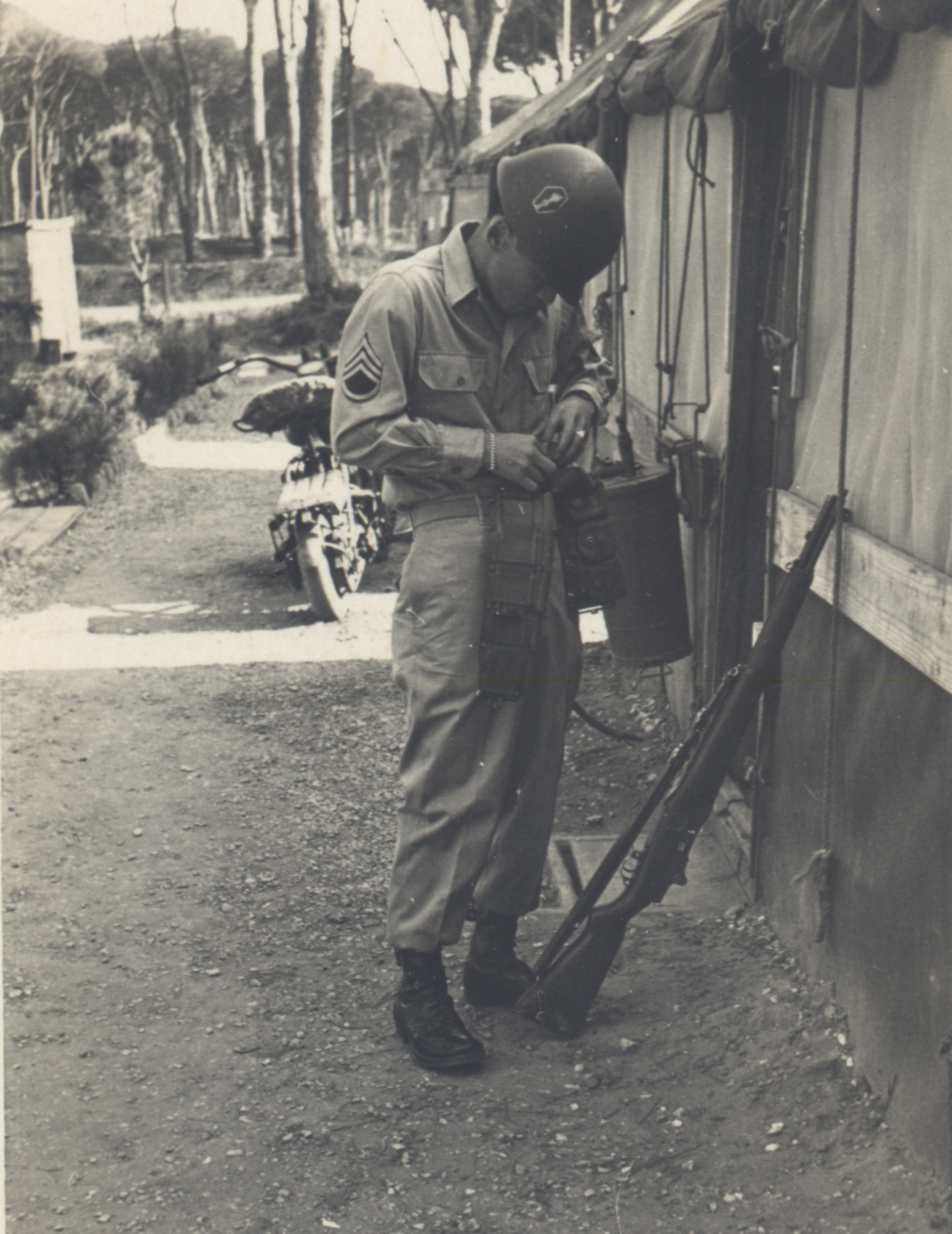
![Tamotsu Curly Akiyoshi [Courtesy of Bernard Akamine]](https://www.100thbattalion.org/wp-content/gallery/bernard-akamine/24c.jpg "Tamotsu Curly Akiyoshi [Courtesy of Bernard Akamine]")
![Toshio Funai [Courtesy of Bernard Akamine]](https://www.100thbattalion.org/wp-content/gallery/bernard-akamine/26c.jpg "Toshio Funai [Courtesy of Bernard Akamine]")
![Soldiers in Lecco, Italy, 1944-1945 [Courtesy of Bernard Akamine]](https://www.100thbattalion.org/wp-content/gallery/bernard-akamine/104.jpg "Soldiers in Lecco, Italy, 1944-1945 [Courtesy of Bernard Akamine]")
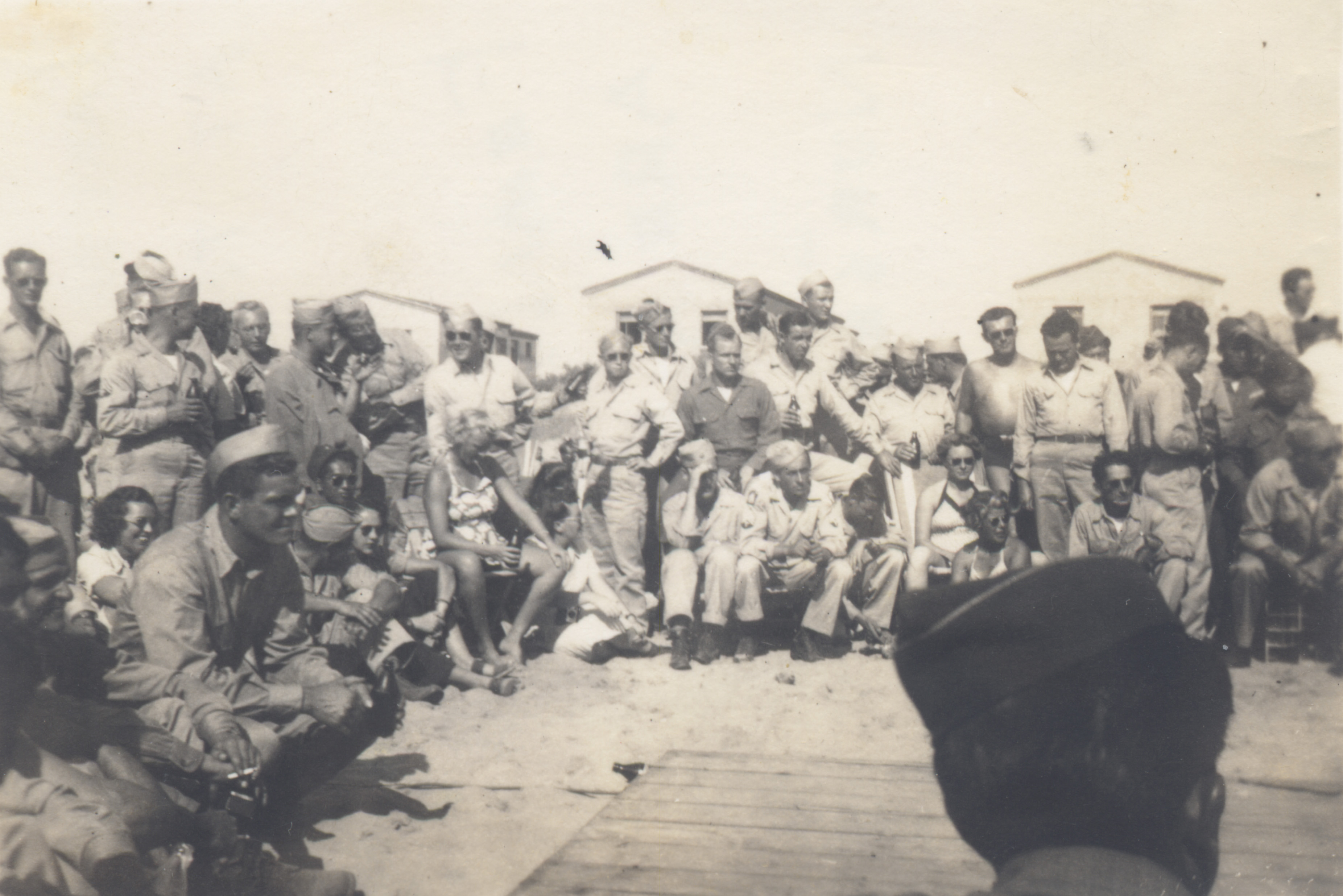
![Frank Wada [Courtesy of Bernard Akamine]](https://www.100thbattalion.org/wp-content/gallery/bernard-akamine/29c.jpg "Frank Wada [Courtesy of Bernard Akamine]")
![Seiichi Tokashiki [Courtesy of Bernard Akamine]](https://www.100thbattalion.org/wp-content/gallery/bernard-akamine/2c.jpg "Seiichi Tokashiki [Courtesy of Bernard Akamine]")
![Mitsugu Eto [Courtesy of Bernard Akamine]](https://www.100thbattalion.org/wp-content/gallery/bernard-akamine/33c.jpg "Mitsugu Eto [Courtesy of Bernard Akamine]")
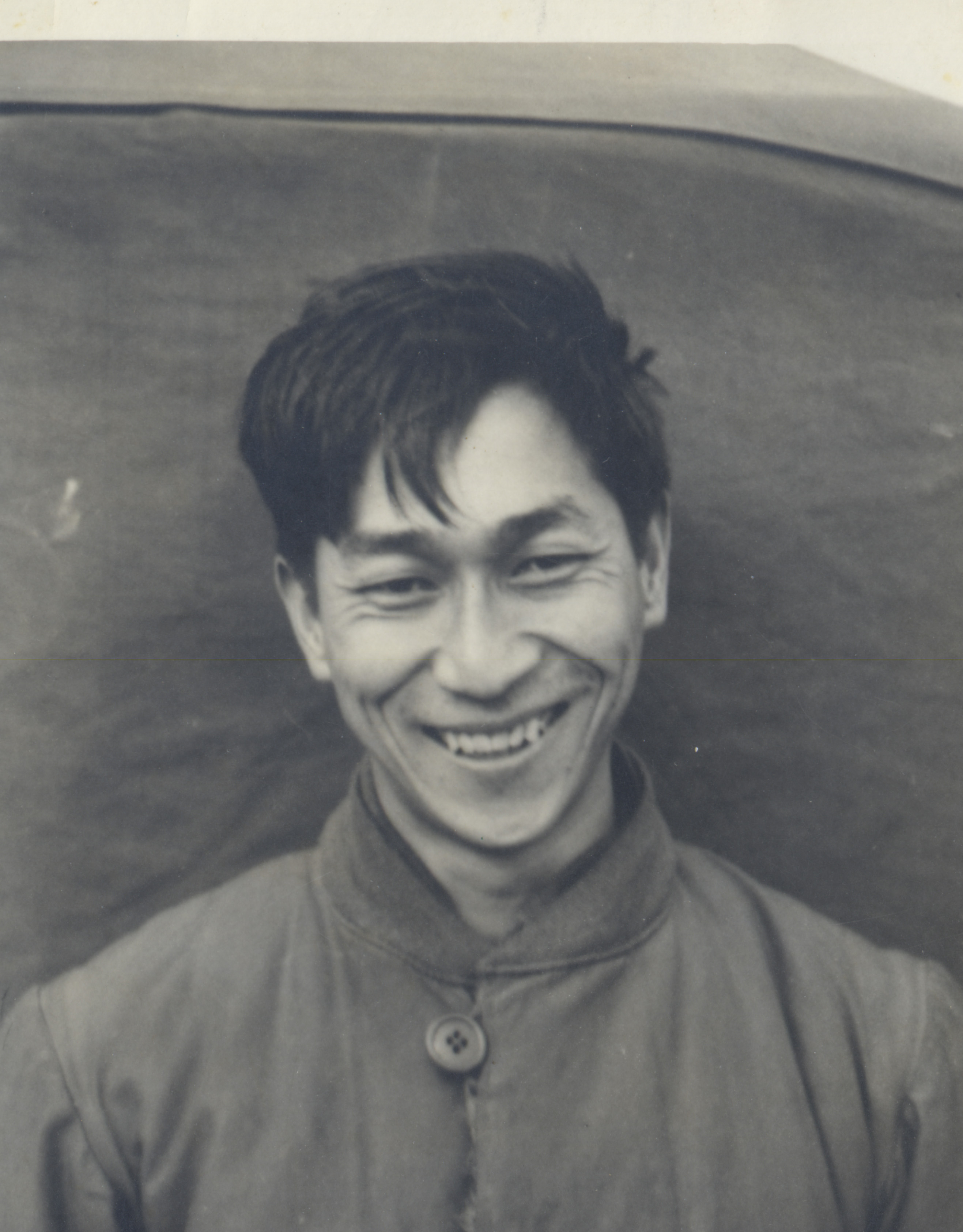
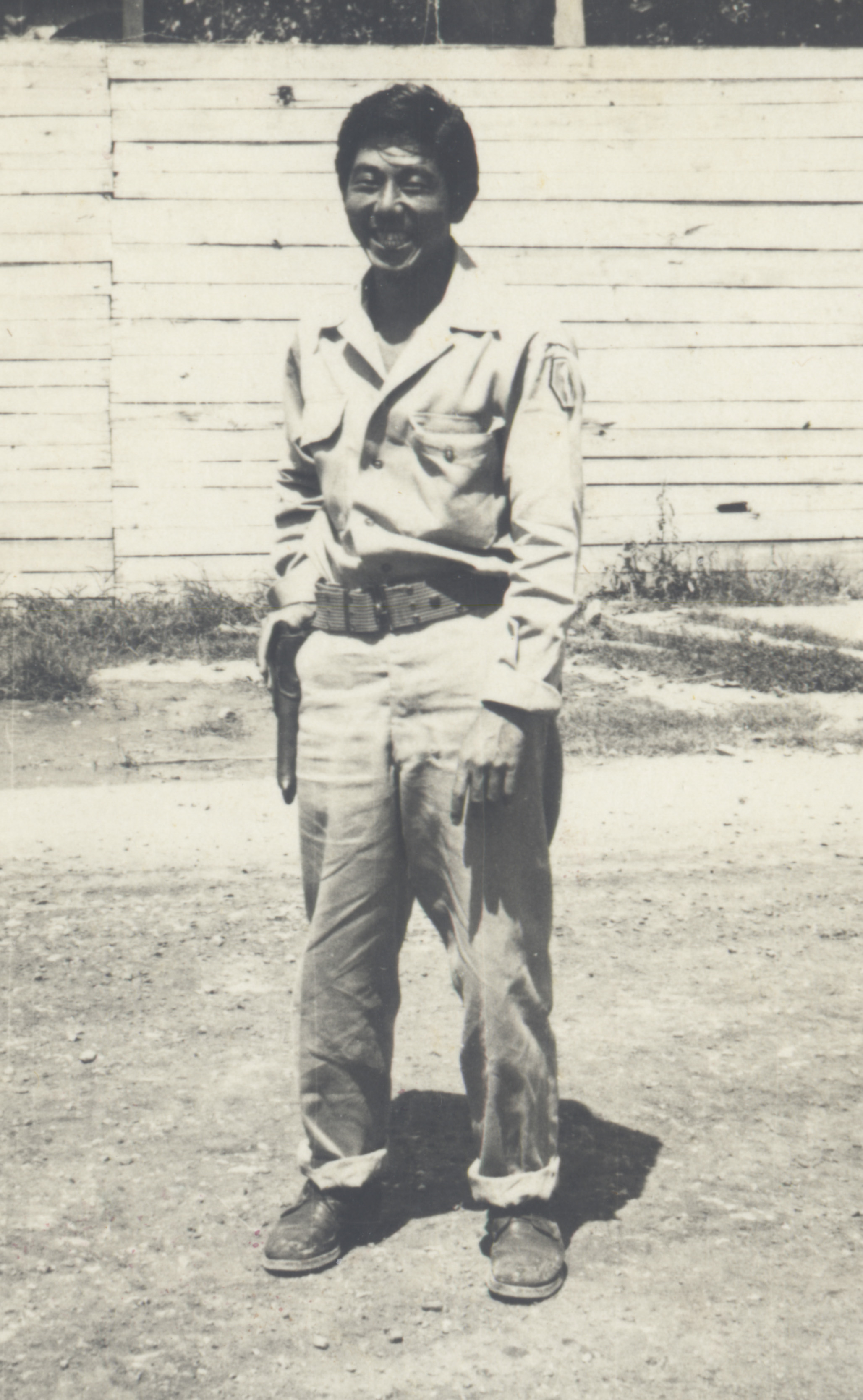
![Isamu Hara [Courtesy of Bernard Akamine]](https://www.100thbattalion.org/wp-content/gallery/bernard-akamine/35c.jpg "Isamu Hara [Courtesy of Bernard Akamine]")
![Kazuo Sato [Courtesy of Bernard Akamine]](https://www.100thbattalion.org/wp-content/gallery/bernard-akamine/36c.jpg "Kazuo Sato [Courtesy of Bernard Akamine]")
![Tamotsu Curly kiyoshi, Bernard S. Akamine [Courtesy of Bernard Akamine]](https://www.100thbattalion.org/wp-content/gallery/bernard-akamine/45c.jpg "Tamotsu Curly kiyoshi, Bernard S. Akamine [Courtesy of Bernard Akamine]")
![Harry Fukushima [Courtesy of Bernard Akamine]](https://www.100thbattalion.org/wp-content/gallery/bernard-akamine/38c.jpg "Harry Fukushima [Courtesy of Bernard Akamine]")
![Tamotsu Curly Akiyoshi [Courtesy of Bernard Akamine]](https://www.100thbattalion.org/wp-content/gallery/bernard-akamine/39c.jpg "Tamotsu Curly Akiyoshi [Courtesy of Bernard Akamine]")
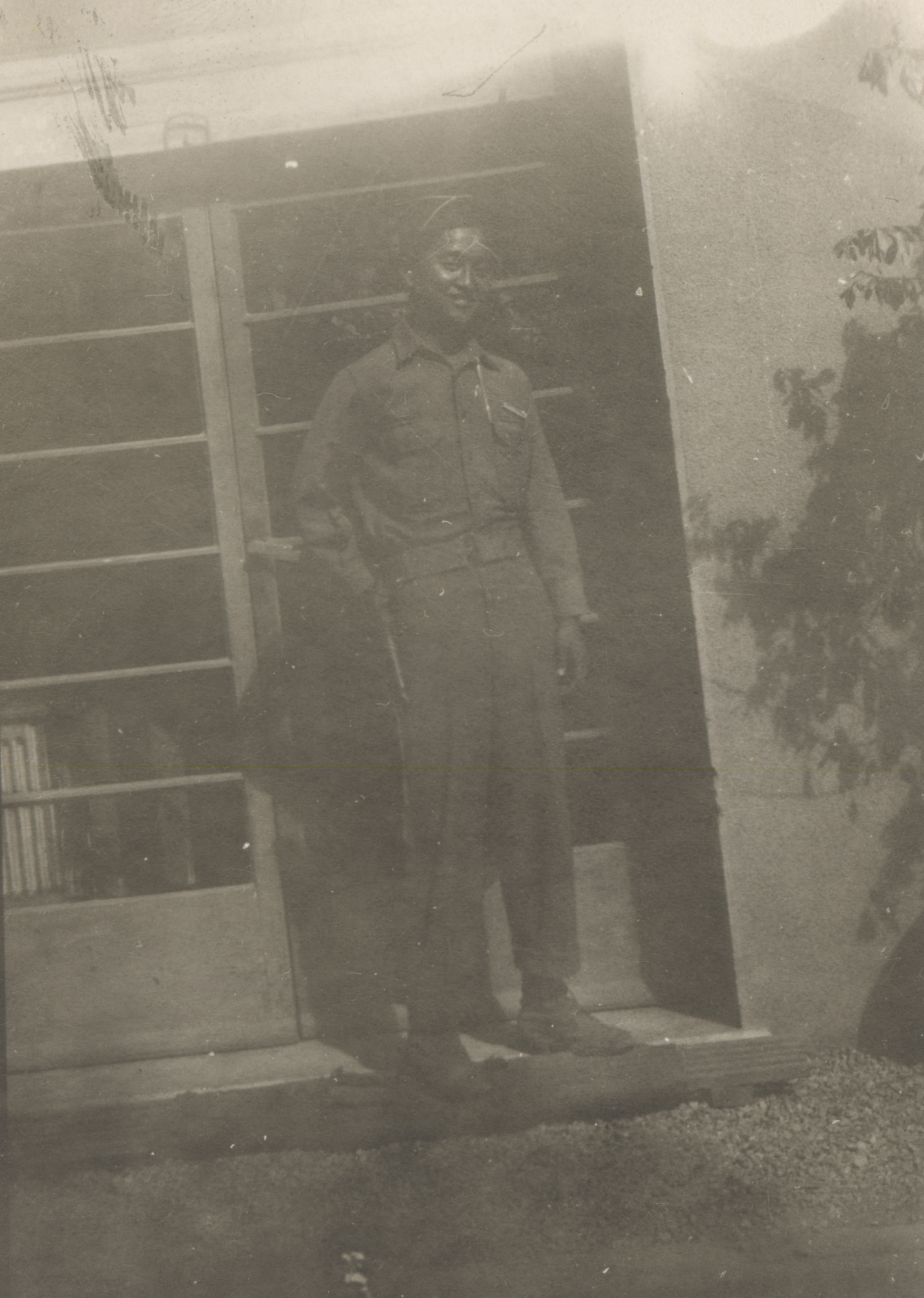
![Corrigan, Tamotsu Curly Akiyoshi [Courtesy of Bernard Akamine]](https://www.100thbattalion.org/wp-content/gallery/bernard-akamine/40c.jpg "Corrigan, Tamotsu Curly Akiyoshi [Courtesy of Bernard Akamine]")
![Tom shibao, George Mizuno, and Kow Ito stand in front of an Italian store. [Courtesy of Bernard Akamine]](https://www.100thbattalion.org/wp-content/gallery/bernard-akamine/52.jpg "Tom shibao, George Mizuno, and Kow Ito stand in front of an Italian store. [Courtesy of Bernard Akamine]")
![George Mizuno and Tom Matsumoto [Courtesy of Bernard Akamine]](https://www.100thbattalion.org/wp-content/gallery/bernard-akamine/41c.jpg "George Mizuno and Tom Matsumoto [Courtesy of Bernard Akamine]")
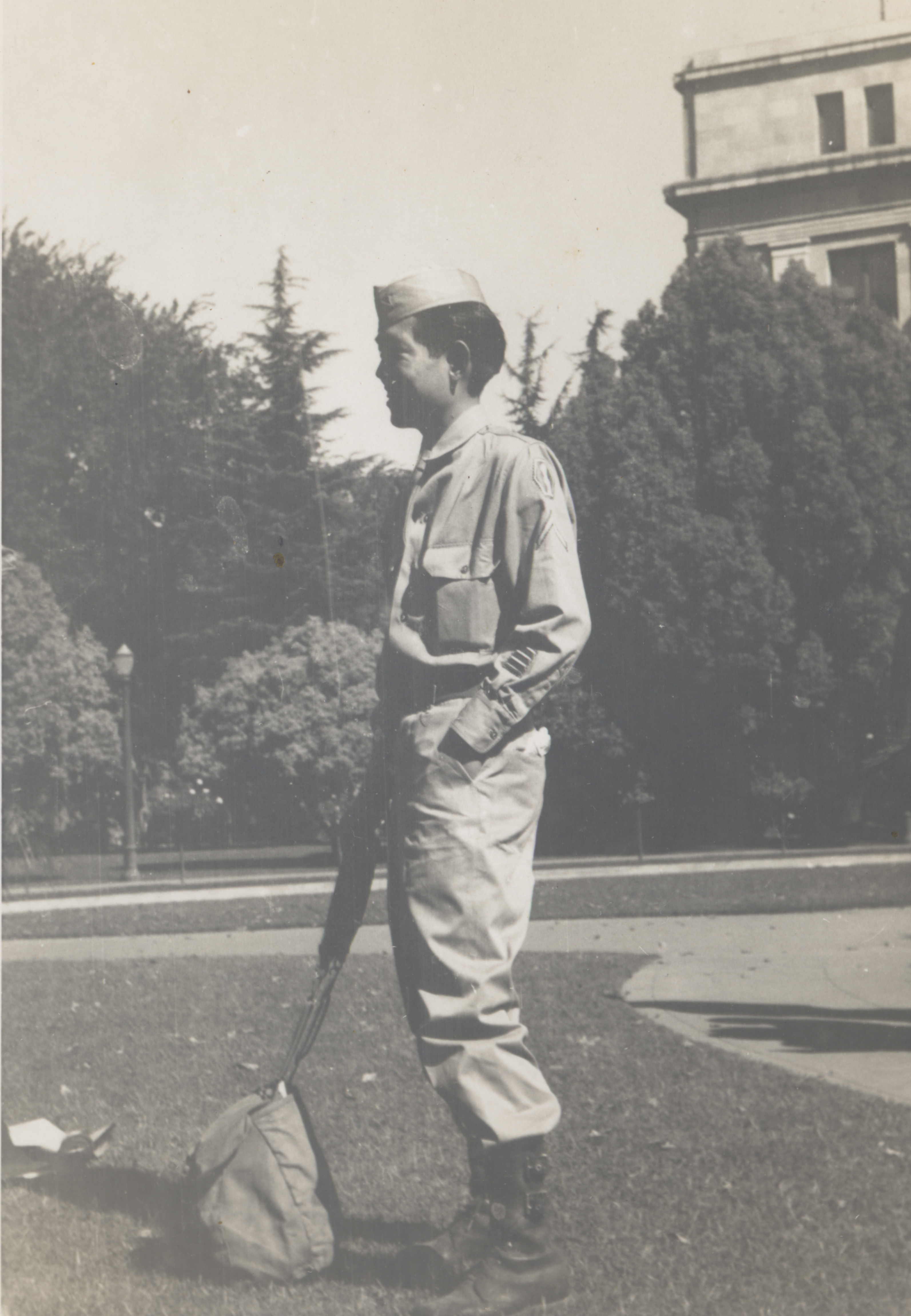
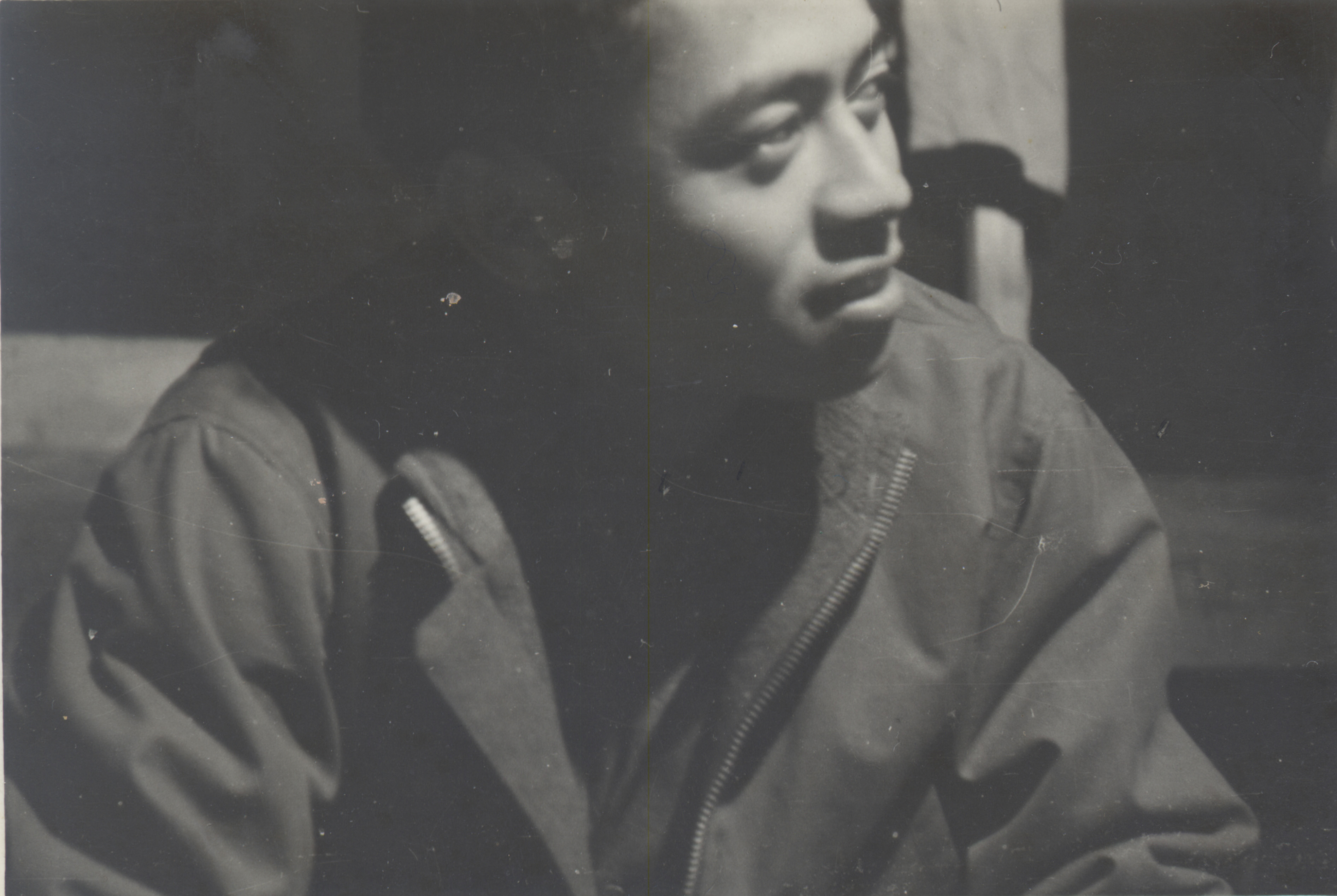
![Paul Nishimuta [Courtesy of Bernard Akamine]](https://www.100thbattalion.org/wp-content/gallery/bernard-akamine/51c.jpg "Paul Nishimuta [Courtesy of Bernard Akamine]")