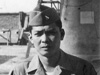
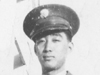
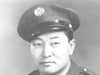
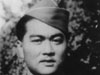
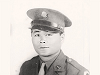
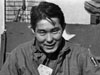
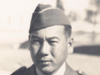
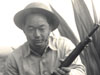
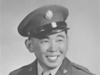
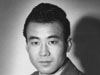
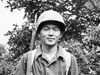
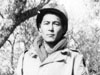
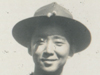
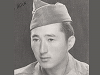
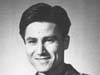
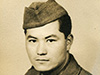
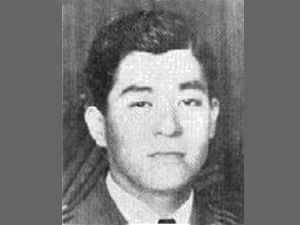
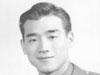
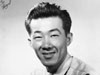
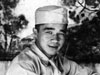
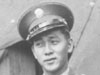
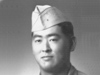
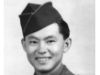
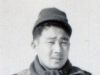
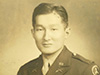
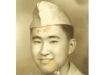
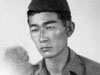
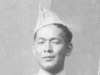
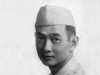
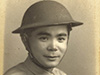
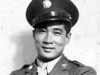
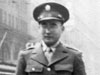
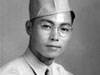
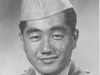
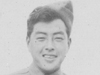
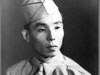
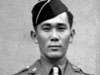
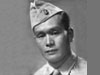
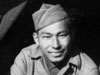
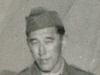
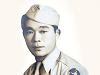
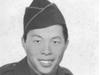
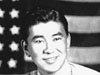
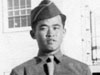
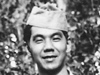
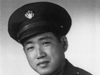
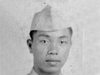
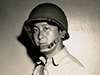
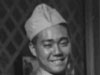
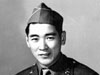
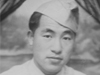
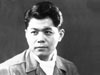
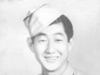
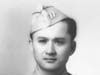
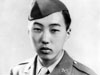
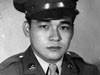
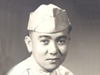
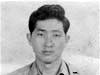
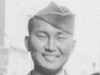
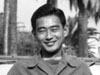
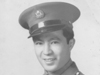
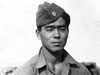
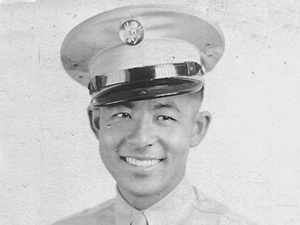
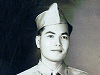
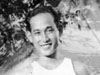
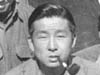
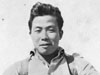
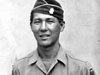
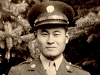
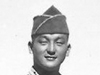
This section serves as a growing digital archive of historic photographs and biographies of soldiers of the 100th Infantry Battalion, preserving their personal stories, military service, and sacrifices for future generations.
Soldier Biographies
While the 100th Infantry Battalion was the first segregated combat unit of American soldiers of Japanese ancestry (AJA) during World War II, approximately twenty members of the original unit were of other ancestries — Native Hawaiian, Korean, Chinese, or mixed ethnic backgrounds. There were also a few white officers, led by Lieutenant Colonel Farrant Turner, who were all kamaʻāina or longtime Hawai‘i residents. Living in the same island communities, they reflected Hawaiʻi’s uniquely multiethnic society, where customs of inclusion and shared community ties often placed greater emphasis on personal character than on racial or ethnic background. That shared upbringing and mutual respect were key factors in why the 100th Infantry Battalion became such a close-knit and cohesive unit.
This camaraderie continued during and after the war, as veterans maintained their bond by forming Club 100, the 100th Infantry Battalion veterans’ organization incorporated in 1945, and by building a clubhouse in 1952 dedicated to honoring their fallen comrades.
According to Lt. Col. Farrant Turner, the original 100th Infantry Battalion (Separate) was composed “with the exception of less than one percent, of men born in the Hawaiian Islands,” highlighting that almost all of its members were born in Hawai‘i and emphasizing the battalion’s distinctly local roots. Most of these men were already serving in the U.S. Army, including those in the federalized Hawai‘i National Guard, at the time of the December 7, 1941 attack on Pearl Harbor, making their story deeply rooted in the islands they called home.
By war’s end, 3,147 men were recorded as having served in the 100th Infantry Battalion, with approximately 70% from Hawaiʻi and about 30% from the continental United States or otherwise. Even with the addition of replacement soldiers and transfers over time, the battalion remained overwhelmingly a Hawaiʻi unit in both composition and identity.
At Camps McCoy and Shelby in late 1942 and 1943, recruiters for the Military Intelligence Service (MIS) transferred soldiers from the 100th and the 442nd Regimental Combat Team to the MIS Language School at Camp Savage (and later to Camp Snelling) in Minnesota. By the time the 100th was deployed for combat, an estimated 70–100 men had been transferred from the battalion to the MIS. Of the roughly 6,000 men who served in the MIS during World War II, about half were from Hawai‘i.
The biographies and photos featured here therefore include not only of the 100th Infantry Battalion’s AJA soldiers who served with the unit in combat, but also those who transferred to the MIS prior to the 100th’s deployment, as well as non-AJA soldiers who served in the battalion. In keeping with the 100th veterans’ definition, a 100th soldier is any individual who honorably served on active duty with the 100th Infantry Battalion (Separate), or its successor battalion within the 442nd Regimental Combat Team, at any time between June 5, 1942 and August 15, 1946.
Soldier Photo Collections
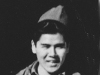
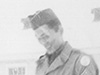
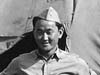
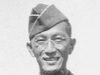
Photographs taken by the U.S. Army Signal Corps are frequently used in articles and books about the American soldiers of Japanese ancestry who fought in Europe and Asia during World War II. By contrast, the photographs shown here were loaned for digitizing by 100th Infantry Battalion veterans and their families. Many of these images have never been widely available, offering a rare glimpse into the daily lives, camaraderie, and personal experiences of the soldiers. Often, a soldier’s personal collection included photos of his friends—images that the families of those friends may never have seen—capturing moments, faces, and memories that survived the war, even in cases where the men themselves did not.
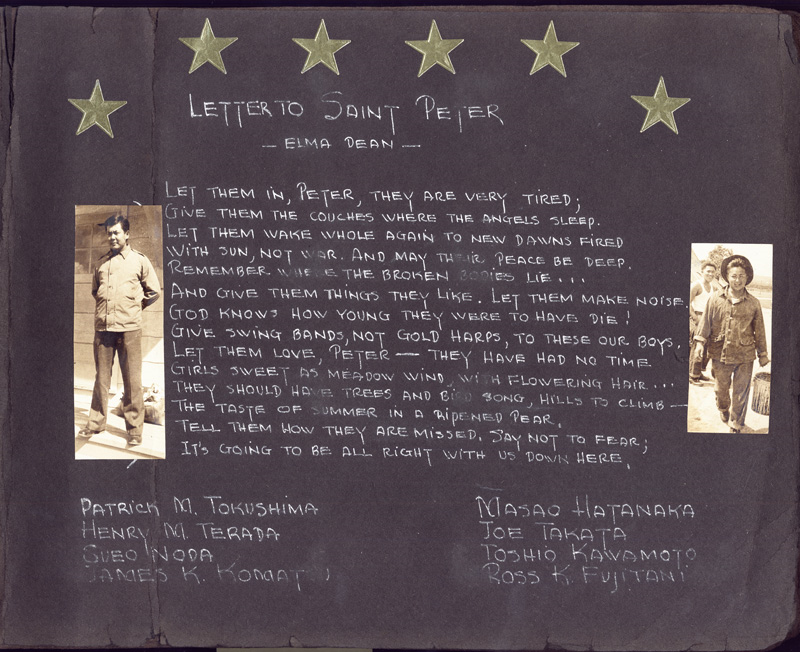
One of the most poignant images was from an album created by William Takaezu. On the first page he had copied a poem titled “A Letter to Saint Peter” that was written in 1942 by an Oakland, California woman named Elma Dean. In a December 1961 interview that appeared in the Oakland Tribune, she recalled that the war was not going well for the United States. The poem conveyed her sorrow for the young men who were being killed, included some of her friends’ sons. Takaezu then listed eight of his friends who had been killed, including Shigeo Joe Takata, the first 100th soldier to be killed in action on September 29, 1943. A photo of two of his friends flanked each side of the poem.
These personal photo collections provide a deeply human perspective on the war, showing how soldiers honored their friends, confronted loss, and maintained connections across the distance between battlefields and home. They reveal not only the bravery of the 100th Infantry Battalion but also the bonds of friendship, shared grief, and remembrance that defined their service.
We invite families of 100th Infantry Battalion soldiers to contact us at info@100thbattalion.org if they are interested in submitting photographs, documents, or biographical information to help preserve and share the stories and memories of those who served in the 100th.
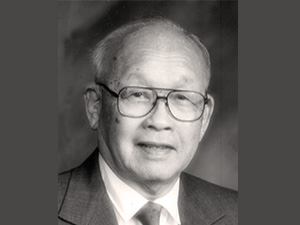
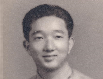 Irving Akahoshi