Able Company, 100th Infantry Battalion
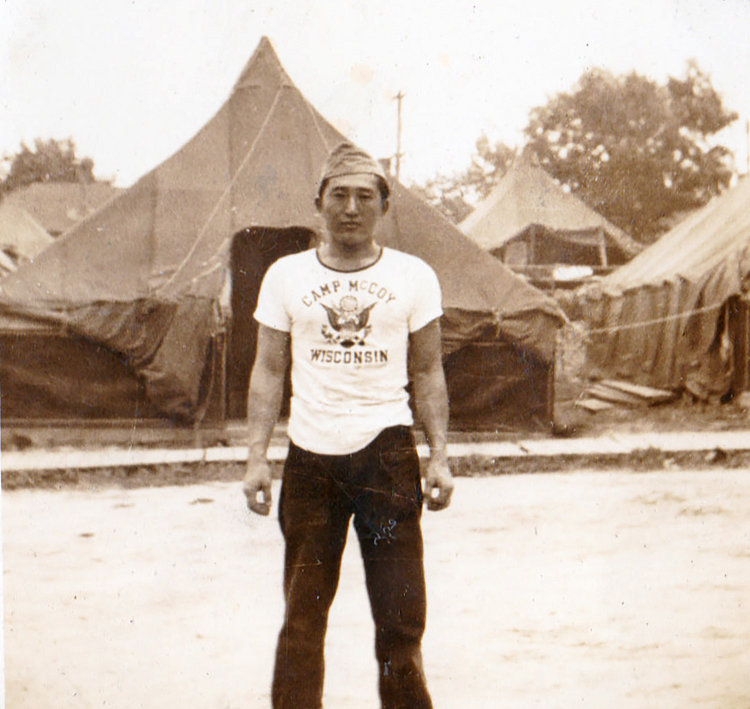
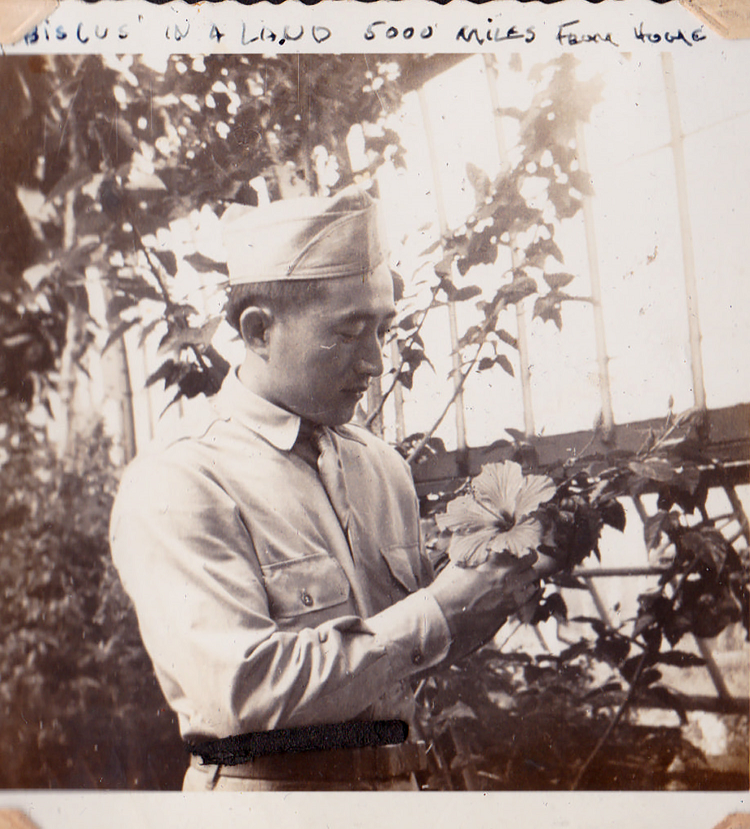
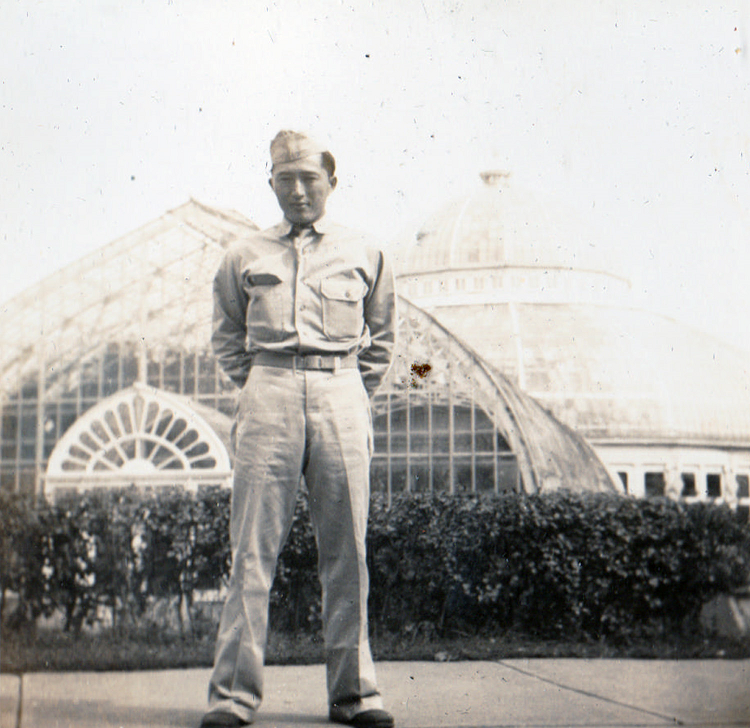
Tokuichi Hayashi was born in Aiea, Oʻahu, Hawaiʻi on October 30, 1915 to Rikichi and Kinu Hayashi, who immigrated from Yamaguchi, Japan to work on the sugar plantation. Toku graduated from McKinley High School — Class of 1934. After graduating, he was employed as a heavy machine operator on the Aiea Plantation. He liked people to call him “Toku.”
![Tokuichi Hayashi (Able Co., 100th Inf. Bn.) [Courtesy of Kathi Hayashi]](https://www.100thbattalion.org/wp-content/gallery/photos-tokuichi-hayashi/Hayashi-Tokuichi-headshot.png "Tokuichi Hayashi (Able Co., 100th Inf. Bn.) [Courtesy of Kathi Hayashi]")
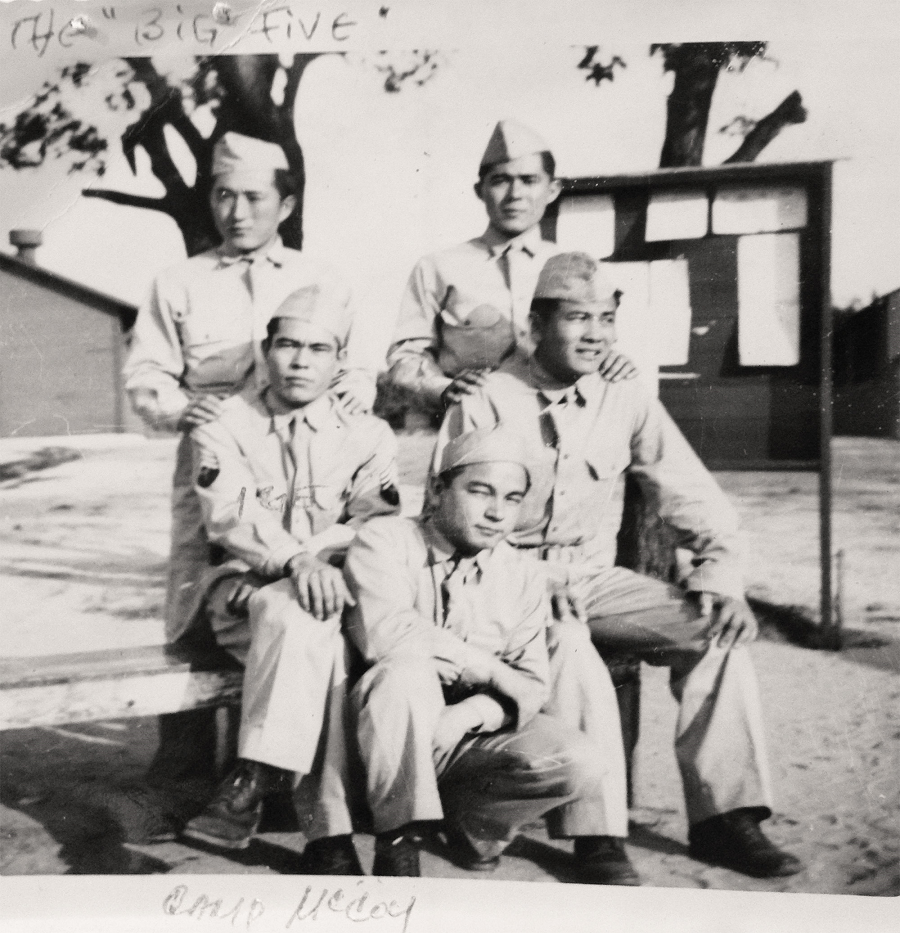
Toku was one of the few who volunteered to join the Hawaii National Guard 298th Infantry. Most in the Guard enlisted in response to being drafted to serve their country. Toku enlisted on December 10, 1940 and served until after World War II ended. He was honorably discharged on October 18, 1945. He had enough combat and service time to return home earlier, but chose to stay in the combat zone in Italy and France as T-4 Sergeant – Cook/Litter bearer for the 100th’s Able Company.
When Pearl Harbor was attacked by the Japan Imperial Navy, Toku was guarding the shoreline of Makapuʻu, on the east side of Oʻahu. His parents lived 2 miles from the shoreline of Pearl Harbor in Central Oʻahu. The Japanese zero planes attacked from right over the family home in Aiea. That early morning of December 7, 1941, a bullet pierced the roof of the plantation home and through his father’s right hand as he sat on the bed. America and Toku’s birthplace of Hawaiʻi was being attacked. Prior to leaving for training on the mainland, he married Fusae (Alice) Arakaki from Ewa.
The hysteria of war and the attack by the Japanese Navy resulted in Americans of Japanese ancestry (AJA) in the multi-ethnic Hawaii National Guard being segregated solely for looking like the enemy. With the Japanese value of gaman, “quiet endurance,” Toku and his comrades would prove they were loyal Americans and would fiercely fight for freedom and their country. They returned as heroes and respected as “The Purple Heart Battalion.” Together, the 100th Infantry Battalion (Separate) followed by the 442nd RCT became one of the most decorated units in U.S. military history.
Post war, Toku used the GI bill to become an electronic mechanic and worked at Shop 67 working on radar and sonar on nuclear submarines at Pearl Harbor Naval Base. After retiring as a U.S. Navy civil servant, he worked at Kems Electric and developed back up radar for the Hōkūleʻa Polynesian vessel used to recreate navigation using only the stars. Toku’s invention was used in emergency situations that saved lives.
Toku lived a life of purpose and service. He was a trustee for the Aiea United Methodist, where he and his wife, Alice were deemed, “Living Treasures.” Toku was also active with the 100th Infantry Battalion Veterans organization (Club 100). He was on the collation team for the monthly Puka Puka Parade newsletter, served as President of Able Chapter and helped to fix mechanical or electronic issues at the Club.
Toku participated for decades, until his death, in the Kuakini Hospital Hawaii Heart program (one of the longest longitudinal study resulting in breakthroughs regarding good and bad cholesterol, Alzheimer’s research, nutrition labeling, etc.). His life was one of giving and he gave until the end. Toku made the arrangements and donated his brain and spinal cord to the Kuakini Hospital Honolulu Heart Program for Alzheimer’s research. He led a purposeful life.
Toku passed on February 11, 2015 at the age of 99, exactly 1 year after his wife, Alice, passed. They had 3 children, Patrick, Edwin and Kathleen.
The 100th and 442nd AJA were excellent role models to show one can overcome obstacles and with heart and belief in oneself, any goal can be achieved with integrity. Plus, in line with the motto of Club 100, “For Continuing Service,” giving and doing the right thing is always the path.