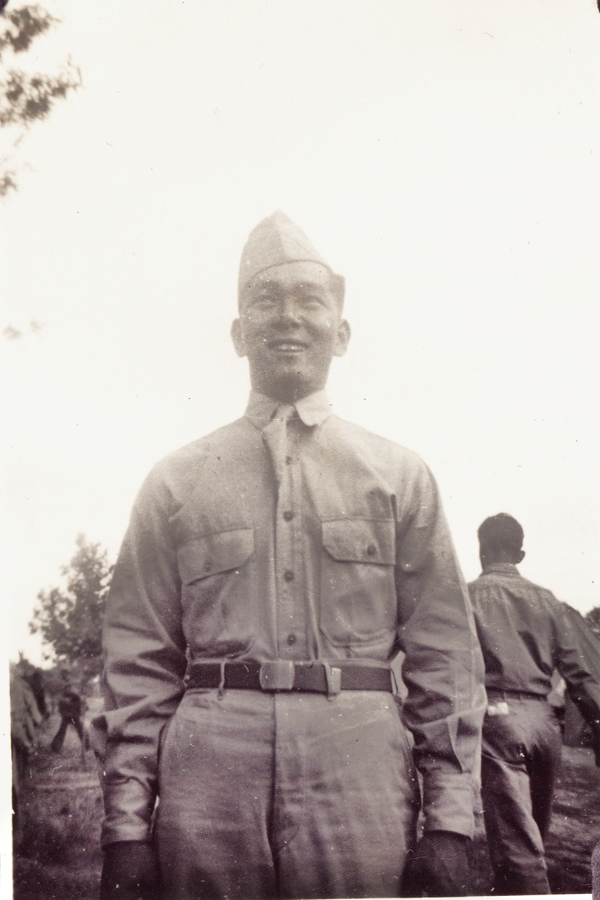
Baker Company, 100th Infantry Battalion (Separate)
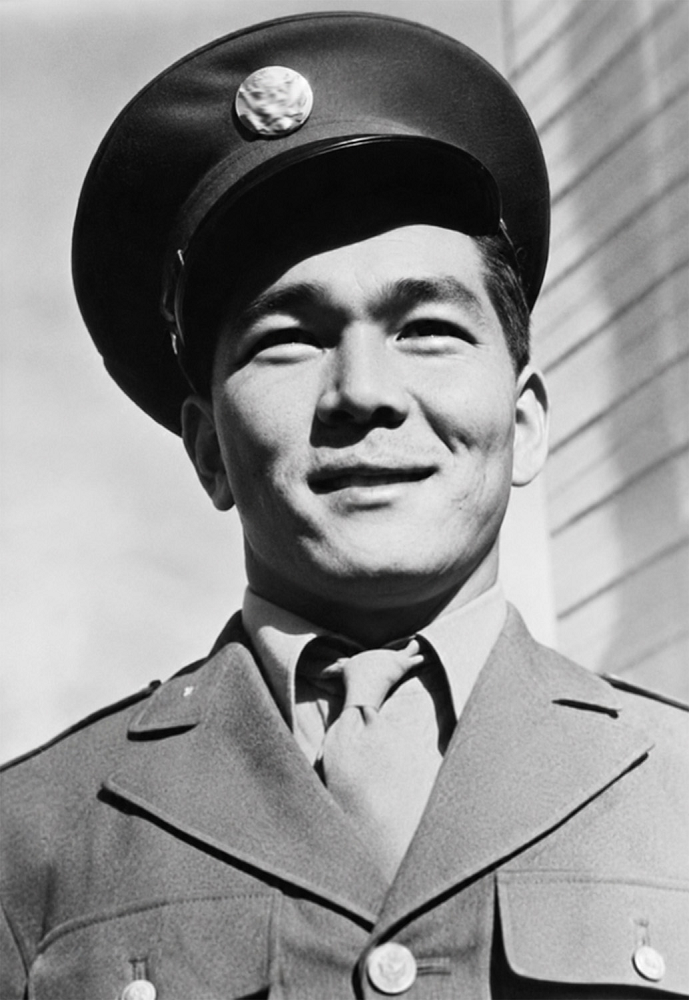
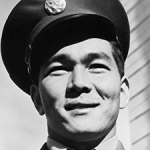
Born on April 29, 1919, in Waialua, Oʻahu, Takata was the son of Hiromatsu and Taka Takata. He attended Waialua Elementary School and McKinley High School. Before entering military service, he worked as a clerk for Castle & Cooke Terminals, Ltd., and Matson Navigation Co. in Honolulu.
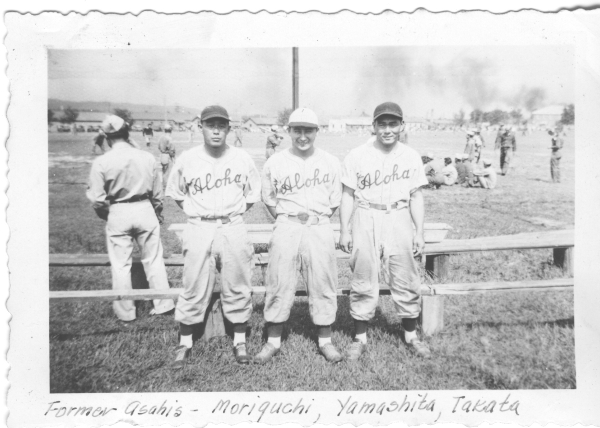
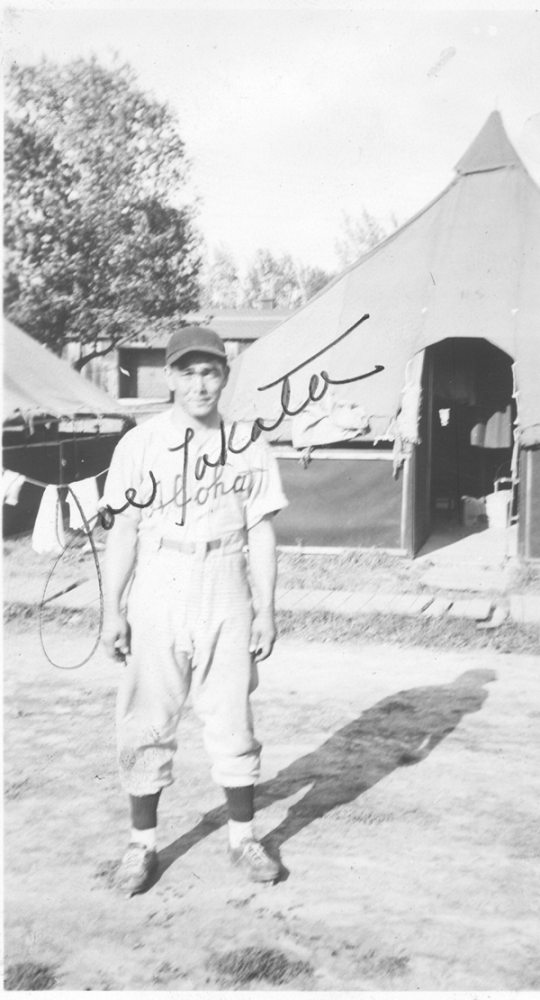
Takata was also an accomplished athlete, particularly in baseball. He played for the Asahi team in the Hawaiʻi Baseball League and was part of the strong local baseball community that included several future members of the 100th. The Asahi team was owned by Dr. Katsumi Kometani, a dentist who joined the 100th Infantry Battalion (Separate) in 1942 and served as its morale officer.
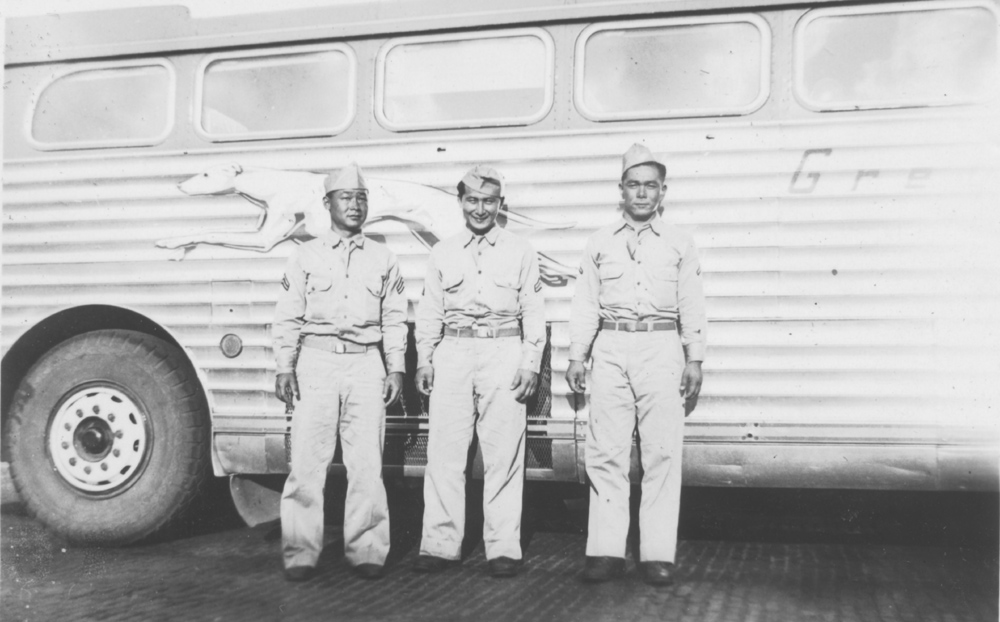
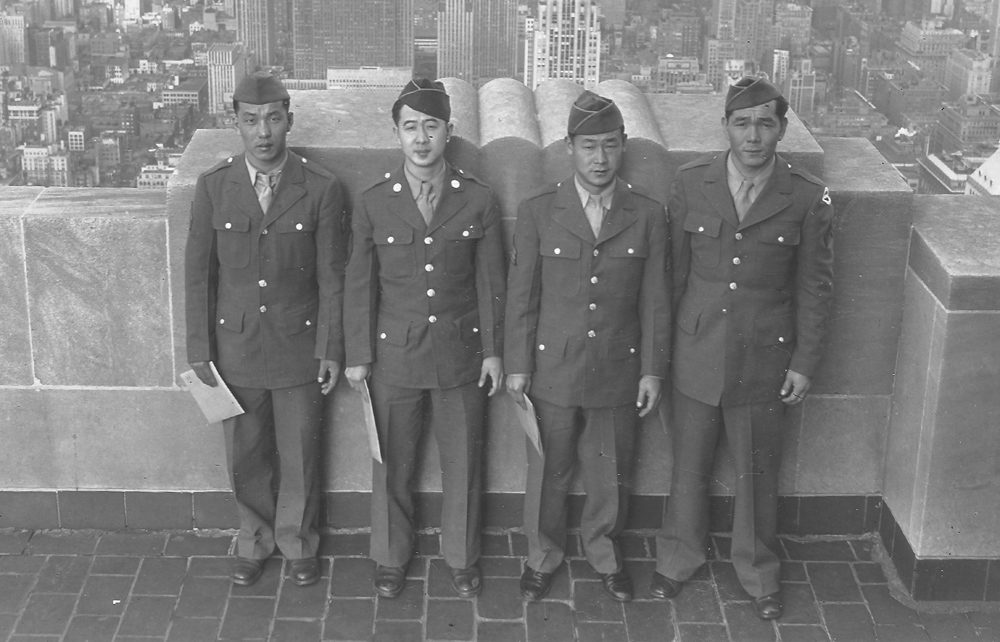
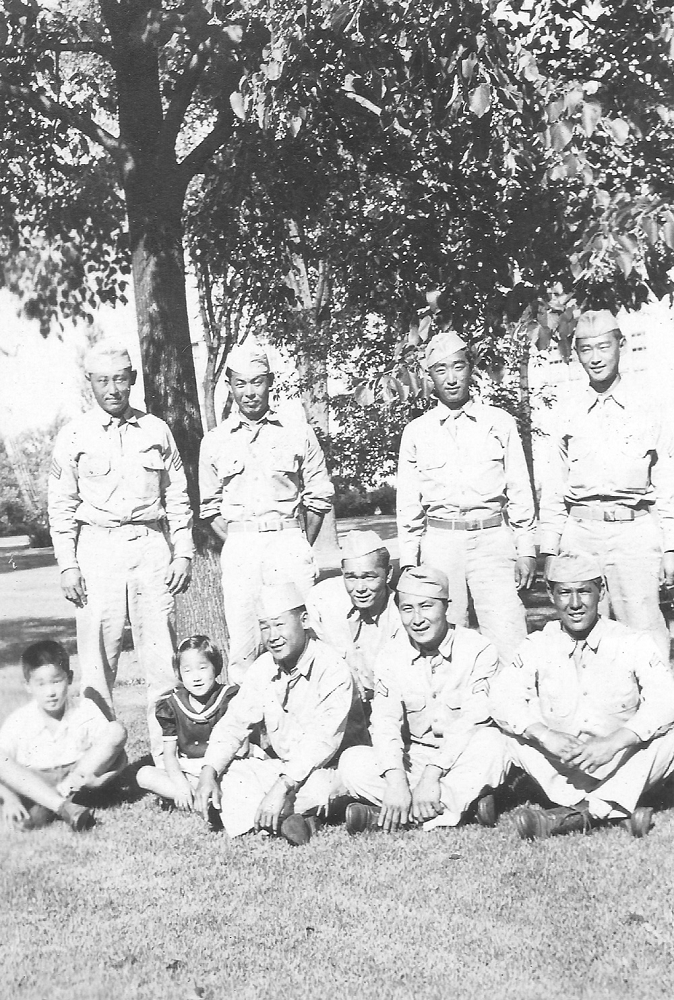
Takata was inducted into the U.S. Army in Honolulu on November 15, 1941, just weeks before the attack on Pearl Harbor. He trained with the 298th Infantry Regiment at Schofield Barracks before becoming one of the original members of the newly formed 100th Infantry Battalion (Separate), the first segregated U.S. military unit of American soldiers of Japanese ancestry (AJA) during World War II, which was officially activated on June 12, 1942.
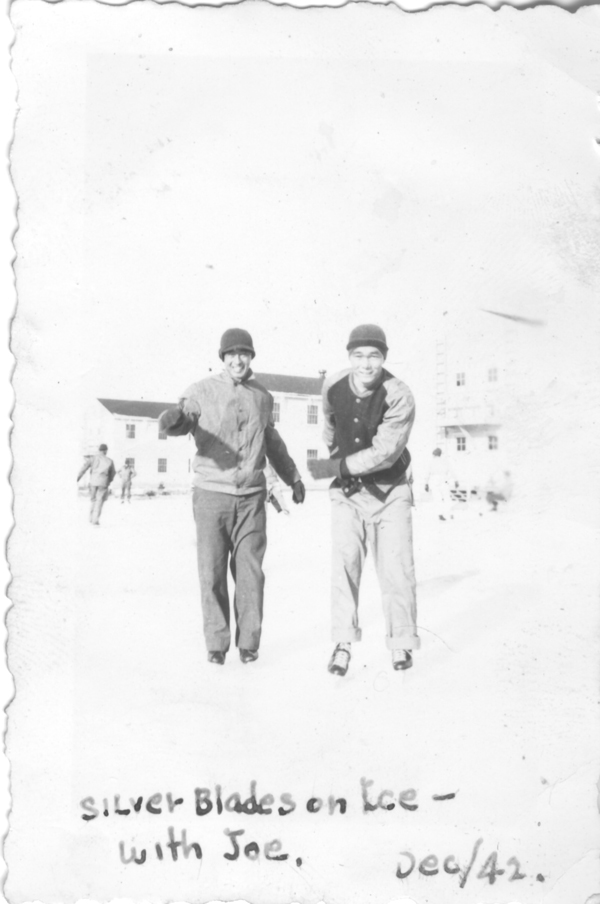
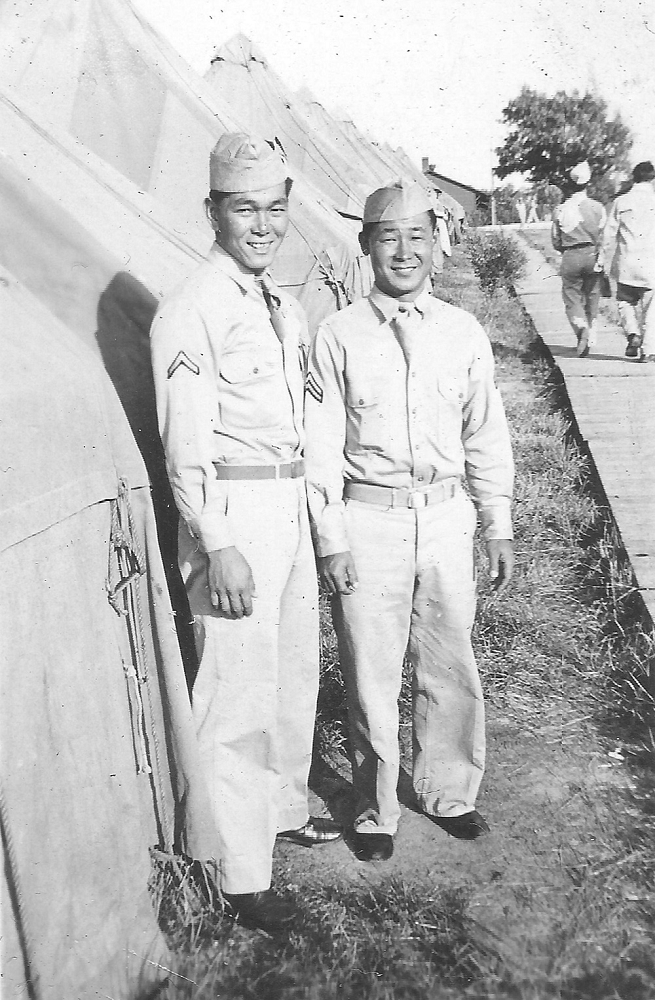
He married Florence Fusako Sakamoto of Honolulu on May 26, 1942, shortly before the 100th was shipped in secrecy to the mainland for combat training. He subsequently trained at Camp McCoy, Wisconsin, and served with Company B as the battalion prepared for overseas combat.
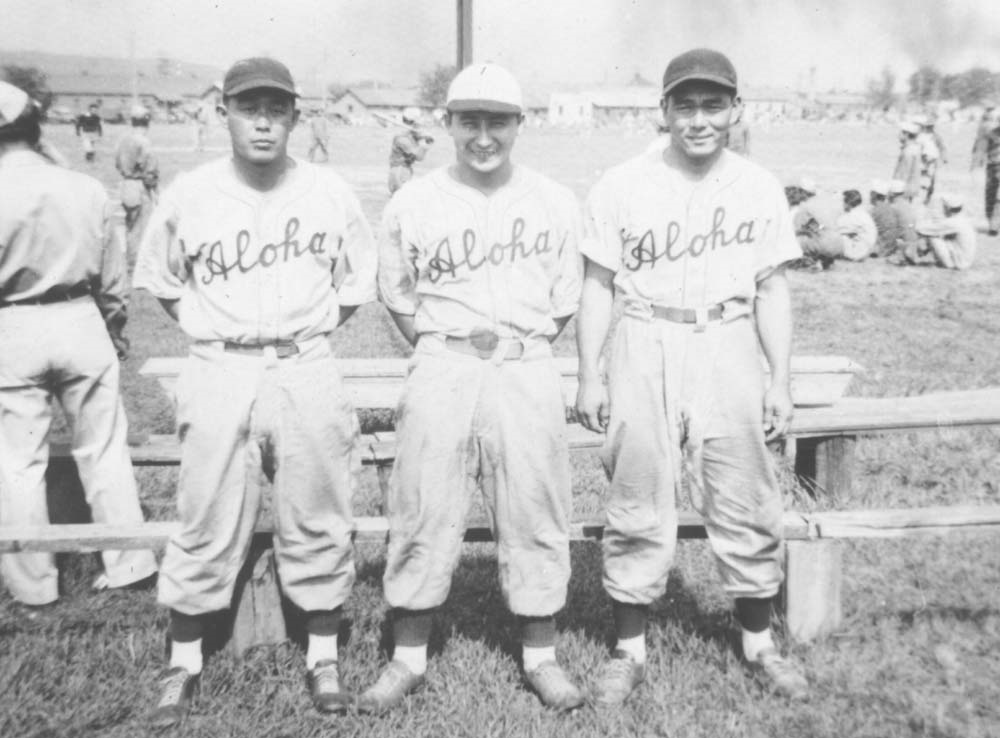
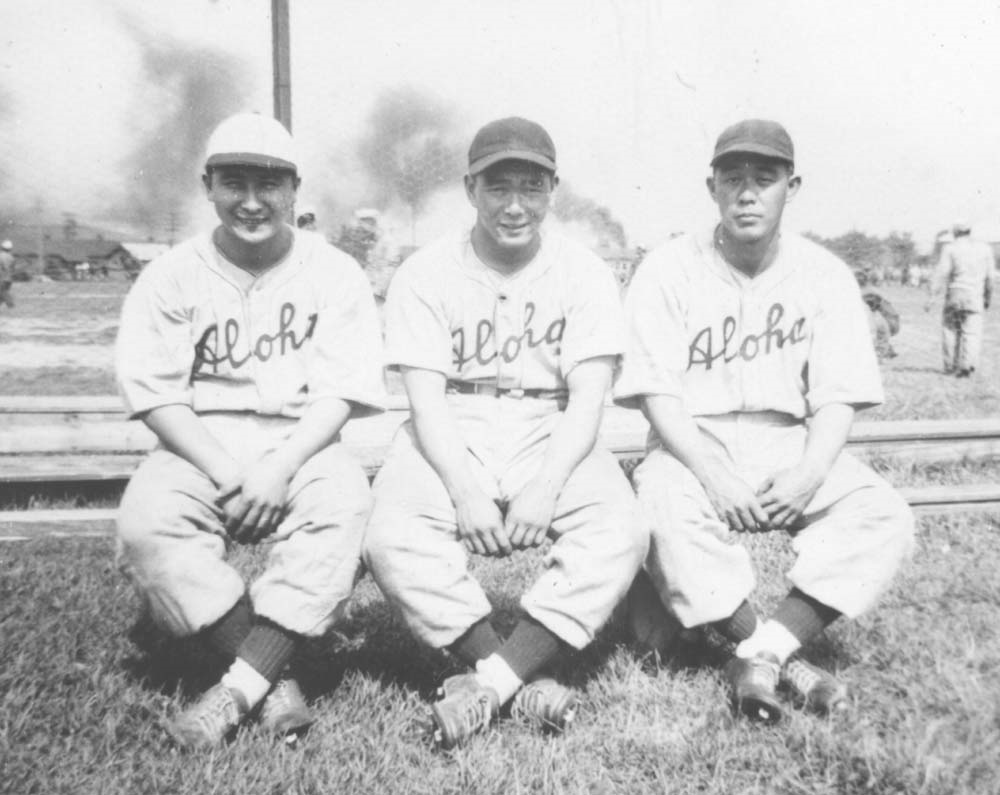
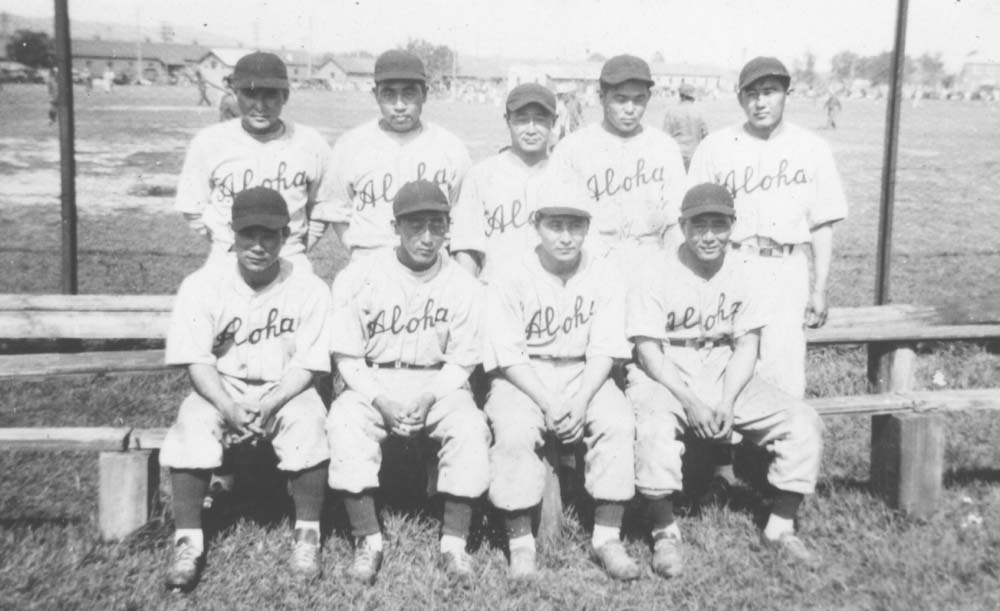
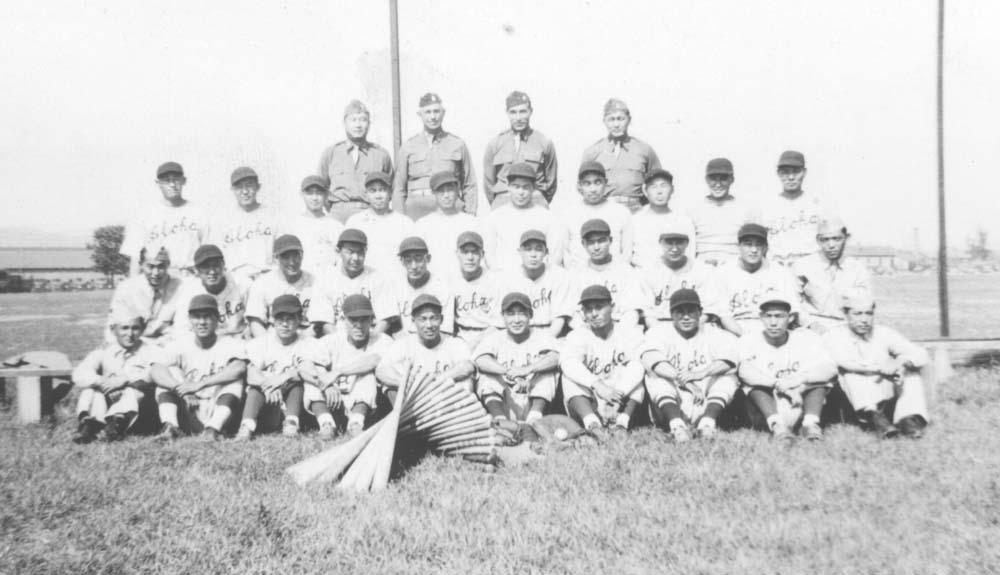
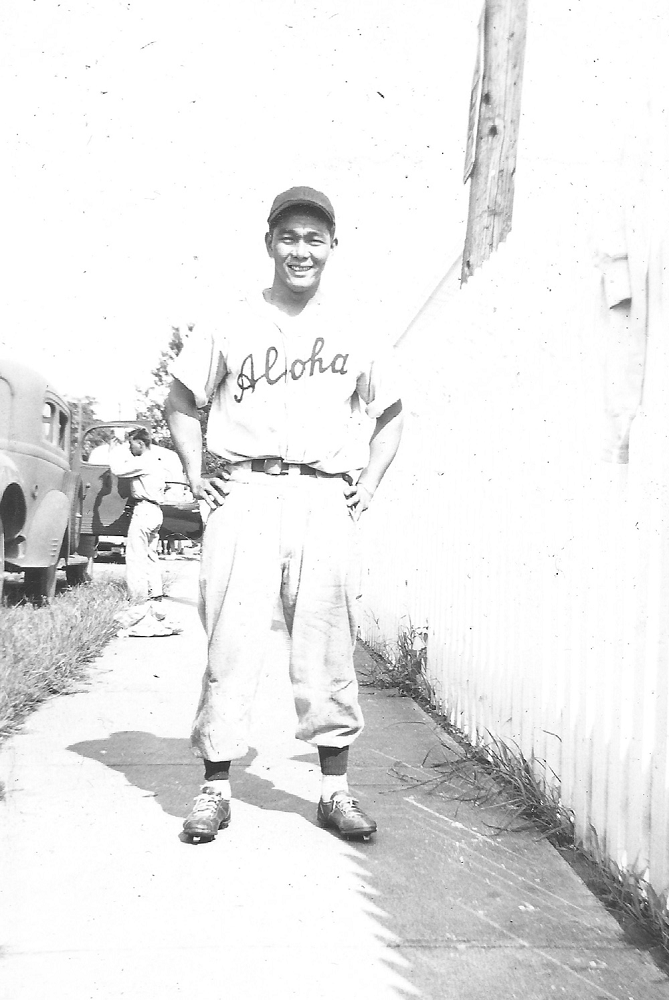
During the battalion’s training on the U.S. mainland, baseball remained an important part of the men’s lives, helping maintain camaraderie and morale. The Aloha Team was formed by members of the 100th at Camp McCoy in 1942 and went on to play semipro and amateur teams throughout Wisconsin, earning a reputation for skilled and spirited baseball. Takata was among the former Asahi players who helped make the team a formidable baseball club.
The 100th departed for Oran, French Algeria, in North Africa on August 21, 1943, and arrived on September 2. The battalion was attached to the 133rd Infantry Regiment of the 34th Infantry Division. On September 19, the 100th departed Oran for Salerno, Italy, with the 133rd and landed on the beaches of Salerno on September 22. On the night of September 26, the battalion entered combat, advancing north in pursuit of retreating German forces through difficult terrain and increasingly strong enemy resistance.
On September 29, 1943, the 100th Infantry Battalion engaged German forces in its first sustained combat. During the fighting west of Monte Milleto, Sergeant Takata personally led his squad in a flanking movement against German machine-gun positions.
According to an account of the action, as the squad prepared to advance, Takata said, “It’s the first time, so I’m going first.”
Under intense artillery, mortar, and machine-gun fire, Takata led his squad up a ridge toward the concealed enemy machine-gun nest. Moving ahead of his men, he repeatedly exposed himself to locate the enemy positions and direct the attack.
The Germans spotted the advancing soldiers and began shelling. Takata was struck by an artillery shell and mortally wounded. Despite his wounds, he successfully conveyed the enemy’s position to his men so that they could continue the attack.
To his comrades, he cried, “Carry On! Carry On! Carry On!” before his voice faded away.
![Joe Takata relaxes at Camp Shelby, Mississippi, 1942-1943. [Courtesy of Mrs. William Takaezu]]](https://www.100thbattalion.org/wp-content/gallery/photos-joe-takata/takaezu_william_135.png "Joe Takata relaxes at Camp Shelby, Mississippi, 1942-1943. [Courtesy of Mrs. William Takaezu]]")
Takata was the first member of the 100th Infantry Battalion — and the first soldier in an AJA unit — to be killed in action during World War II. He was also the first member of the 100th to receive the Distinguished Service Cross, awarded posthumously.
For his extraordinary heroism, Takata was posthumously awarded the Distinguished Service Cross, the nation’s second-highest military award for valor, as well as the Purple Heart and other campaign and service medals. His official citation recognized his extraordinary heroism while leading his squad against the German machine-gun positions under intense enemy fire. He is laid to rest at the National Memorial Cemetery of the Pacific at Punchbowl in Honolulu.
Takata’s death profoundly affected the men of the 100th. He was not simply the battalion’s first combat fatality; he became a symbol of the courage and sacrifice demonstrated by the AJA soldiers during their first days of combat.
The battalion never forgot him. After the war, the 100th veterans established an annual memorial service in remembrance of Joe Takata, Private Keichi Tanaka (Co. B), who was killed in action later that same day, and their other comrades who gave their lives during the war. The first postwar service was held on September 29, 1946 — three years after Takata’s death — and the September memorial tradition continued in the decades that followed. Through their postwar organization, Club 100, the veterans continued to organize and participate in an annual memorial service each September on the Sunday closest to September 29.
Years later, at the 31st annual memorial service at Punchbowl in 1976, 100th Infantry Battalion veteran, Yasuo Takata (Co. B) recalled Takata’s final moments in his welcoming address.
“The leaves of the bushes on the roadside were being clipped just inches above our heads. Sgt. Joe Takata took his squad up the ridge to get the machine gun from the top. As he climbed the ridge, a German 88 gun unit spotted him and began shelling. The shells followed him as he climbed up and down the ridge. During this skirmish, a shell fragment caught him in the head. Amidst the cries for the medics, I heard him calling to his corporal to take over. Joe gave the corporal his orders and told him to Carry On! Carry On! Carry On!
Three times he cried ‘Carry On!’ before his voice faded away.
Today, as I walked by Sgt. Takata’s grave, the words seemed to ring out, again – Carry On! Carry On! Carry On!”
As Yasuo Takata concluded his speech, he told the audience, “Let us remember Sgt. Joe Takata’s last orders — Carry On! Let us keep up the fight.”
Takata’s final words would echo in the hearts of the 100th Infantry Battalion veterans for years to come.
Today, Takata’s name continues to be remembered in Hawaiʻi. In 2003, a baseball field at Fort Shafter was dedicated as Joe Takata Field in his honor, recognizing both his military service and his accomplishments as a Hawaiʻi baseball player.
Members of Club 100 — descendants and family members of soldiers who served in the 100th Infantry Battalion — continue the veterans’ tradition by organizing and participating in an annual memorial service each September. Since 2006, the service has been held jointly to honor the men who served in the 100th Infantry Battalion, 442nd Regimental Combat Team, Military Intelligence Service, and 1399th Engineer Construction Battalion who died during World War II, as well as those who have passed away since the war. The 100th, 442nd, MIS, and 1399th were primarily composed of Nisei — AJA born to Issei, first-generation immigrants from Japan.
Sergeant Shigeo “Joe” Takata was only 24 years old when he died. His life — from Waialua and Hawaiʻi’s baseball fields to the battlefields of Italy — reflects the story of a generation of Nisei who answered the call to serve their country. His final act of courage, placing the safety and success of his men above his own, remains an enduring part of the history and legacy of the 100th Infantry Battalion.